Digital Detox for Mental Clarity: How to Reclaim Your Attention
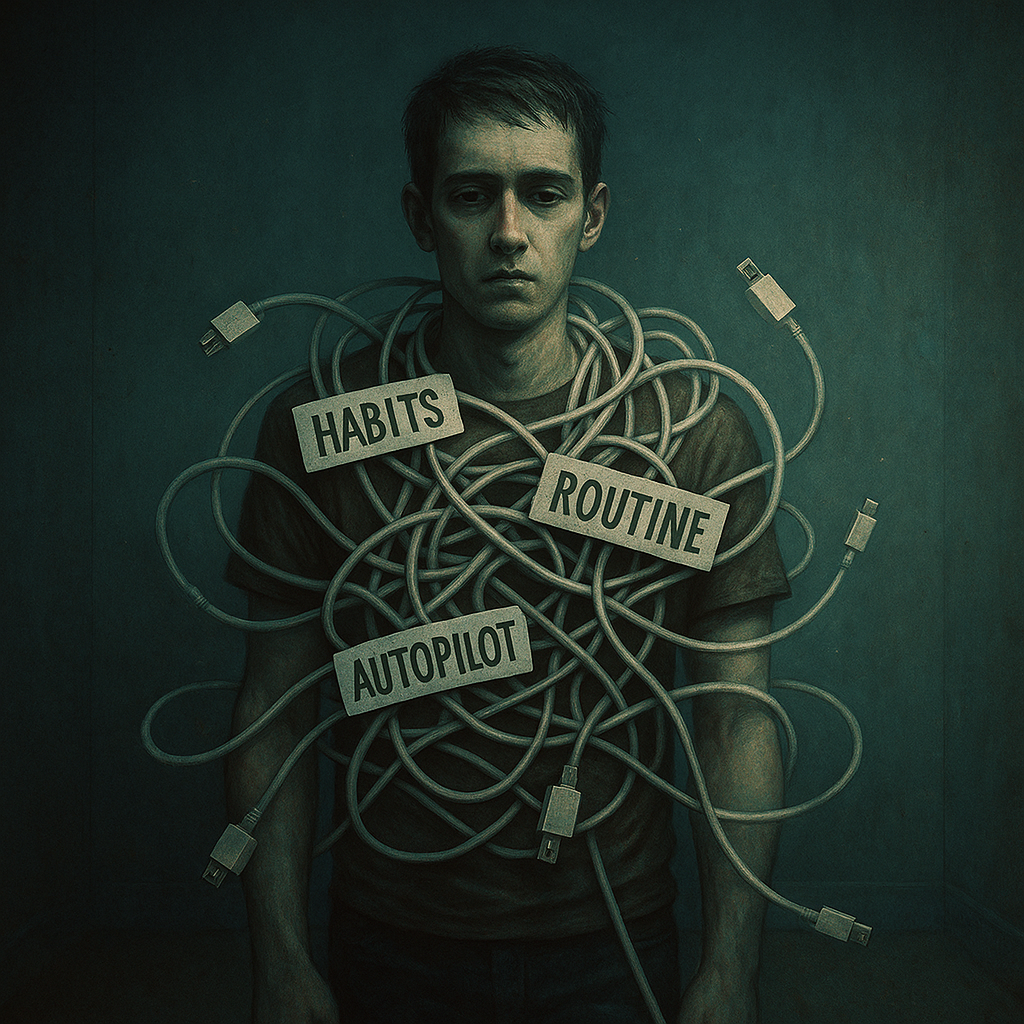
Do you ever find yourself scrolling endlessly on your phone, even though you promised yourself you wouldn’t? You’re not alone. Many of us have developed habits that keep us glued to screens, often at the expense of focus, calm, and mental clarity. A digital detox isn’t about giving up technology completely - it’s about taking control, reclaiming your attention, and creating space for meaningful habits.
Why Doom Scrolling Hijacks Your Brain
Smartphones and social media are designed to capture attention. Each notification, like, or alert triggers a dopamine hit, the brain’s reward chemical. The result? You’re constantly pulled into a loop of short-term pleasure and distraction, even when it’s harmful long-term. This can lead to:
Reduced focus and productivity
Heightened stress and anxiety
Poor sleep quality
Increased procrastination
Even if you “know better,” your brain is wired to seek immediate rewards, making it hard to stop.
Signs You Might Need a Digital Detox
You may benefit from a digital detox if you notice:
Trouble focusing or completing tasks
Constantly checking your phone, even without purpose
Feeling anxious or restless when offline
Skipping sleep to scroll social media
Replacing meaningful activities with screen time
Recognising these patterns is the first step toward regaining control.
Simple Steps to Reclaim Your Attention
Schedule Phone-Free Periods
Start small: try 30 minutes without screens each morning or evening. Gradually increase as you feel comfortable.
Turn Off Notifications
Disable alerts for apps that aren’t essential. Your brain will thank you.
Replace Scrolling with Mindful Habits
Instead of automatically reaching for your phone, try: a short walk, journalling or deep breathing exercises
Use Technology Intentionally
Decide in advance what you will use your device for and how long. Avoid opening apps “just to see.”
Design Your Environment
Leave your phone in another room while working or eating. The easier it is to avoid, the more successful you’ll be.
How Hypnotherapy Supports Focus and Mental Clarity
Sometimes, breaking habitual scrolling is easier said than done. This is where hypnotherapy can help.
Hypnotherapy works by:
Rewiring your brain to reduce automatic impulses
Increasing awareness of triggers
Strengthening focus and self-control
Calming stress responses that lead to mindless scrolling
Even a few sessions can make it easier to create long-term changes and reclaim your attention.
Making a Digital Detox Sustainable
A digital detox isn’t a one-time event - it’s about creating new habits that respect your brain’s needs. Start small, be consistent, and treat yourself kindly if you slip up. Over time, your brain will naturally prefer activities that bring calm, focus, and satisfaction over instant digital rewards.
Final Thoughts
Constant connectivity doesn’t have to control your life. By understanding your brain, redesigning your environment, and using tools like hypnotherapy, you can regain clarity, focus, and emotional balance.
✨ Ready to reclaim your attention and feel calmer in your daily life? Call or email one of the OLIP team today and start living the life you want and deserve.