Why Self-Reflective People Often End Up Carrying Blame That Isn’t Theirs
Have you ever asked your partner a completely normal question and somehow walked away feeling like you did something wrong?
Not because anything dramatic happened. Not because there was a big fight. Just a slow, quiet shift: the air got heavier, their tone cooled, and suddenly you were the one apologising.
Then the familiar voice in your head started: “Why do I always make things worse? What’s wrong with me? I should have just stayed quiet.”
If this feels familiar, you’re not imagining it and you’re not alone.
Here’s what I want you to hear: You didn’t create that tension. You just happened to be standing closest to it when it needed somewhere to land.
Why Self-Reflective People Are Most Likely to Absorb Unfair Blame
Self-aware, empathetic, and introspective people have a beautiful strength: they’re willing to look at themselves and take responsibility for their part in things.
But in certain relationships, this strength gets quietly exploited.
When someone is emotionally immature, avoidant, or manipulative, they often shift discomfort away from themselves and onto the most willing recipient: the person who is already skilled at self-reflection. Over time, this creates a painful pattern where you end up carrying blame that was never yours.
You start questioning your every word, tone, and intention. You become the “problem-solver” in the relationship while the real issues remain unaddressed.
The One Grounding Question to Ask Yourself
Next time you feel that familiar guilt rising after a normal interaction, pause and ask yourself:
“If someone I deeply loved and respected said to me exactly what I just said, would I react to them the way my partner just reacted to me?”
Be honest with your answer.
This single question can cut through the fog of self-doubt and help you see the situation more clearly. Most of the time, the answer is “No”, which tells you the reaction you received was disproportionate.
Your Self-Reflection Is a Strength, Not a Flaw
Your ability to reflect, take accountability, and care about how you show up in relationships is precious. It’s not the problem.
The problem arises when that strength is used against you in a dynamic that lacks mutual respect and emotional safety.
True healing isn’t about becoming less reflective. It’s about learning to protect your empathy and direct it towards yourself as much as you direct it towards others.
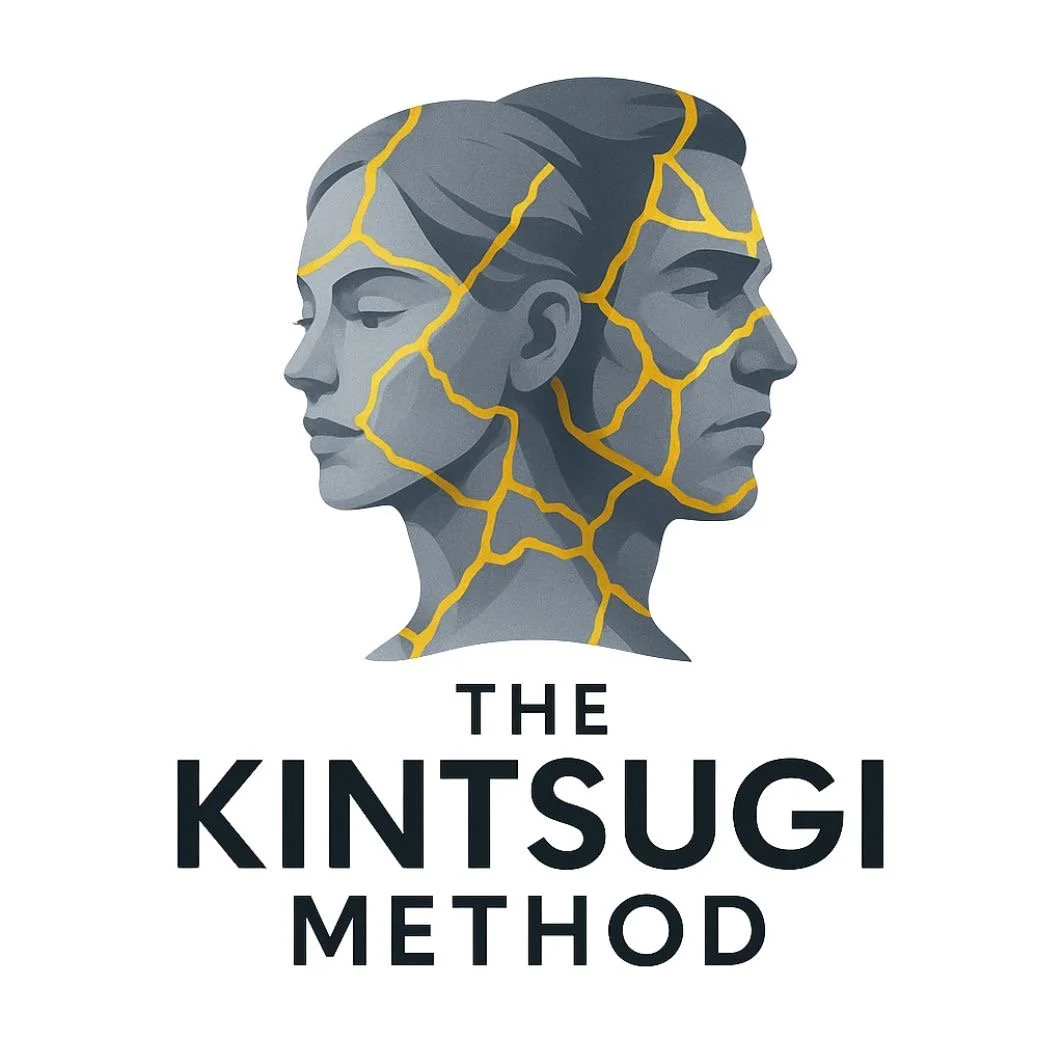
The Kintsugi Method: Healing the Cracks Instead of Hiding Them
At Olip Therapy, we use a powerful approach called the Kintsugi Method, inspired by the Japanese art of repairing broken pottery with gold.
Instead of trying to hide your wounds or “fix” yourself so you’re no longer “too sensitive,” we help you:
Understand how these patterns formed
Gently release unfair guilt and self-blame
Rebuild your sense of self with strength, wisdom, and beauty
Create healthier boundaries while keeping your empathetic heart intact
Many clients describe the process as finally feeling seen, understood, and free from the weight they’ve been carrying alone.
You Don’t Have to Figure This Out by Yourself
If you’re tired of walking on eggshells, over-apologising, and questioning your reality, support is available.
Book a 1:1 session with Olip Therapy and experience the Kintsugi Method for yourself. We offer both online and in-person sessions, with flexible times (including evenings and weekends) to suit your life. Alternatively you can visit our The Kintsugi Method website to find out more about our course built to help you recover and fill those cracks with gold.
Your sensitivity and self-awareness are gifts. They don’t need to be diminished - they need to be protected and honoured.
Ready to stop carrying blame that isn’t yours?
Contact us today to book your initial consultation. Your healing journey can start with one gentle, powerful step.