

If you often say yes when you mean no, you are not alone. Setting boundaries is one of the kindest things you can do for yourself and for the people around you. Boundaries are not about keeping people out. They are about protecting the time and energy you need to be well.
What are boundaries?
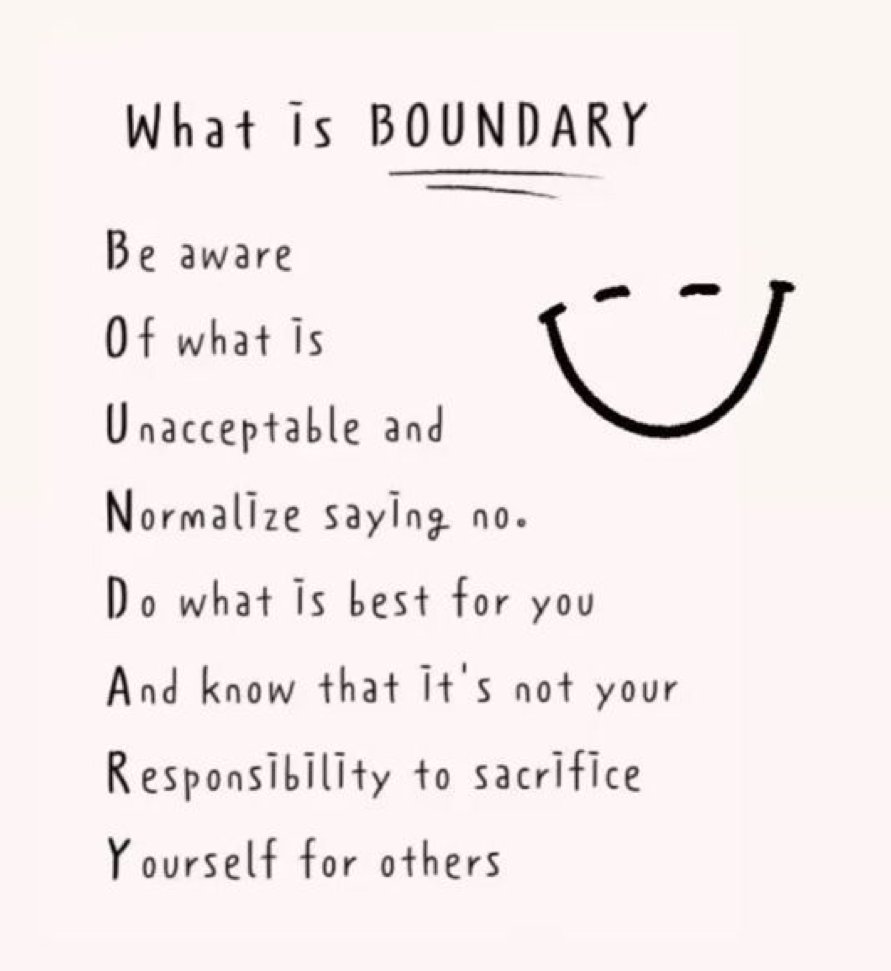
Boundaries are the limits you set to protect your emotional, mental and physical health. They are how you tell other people, and remind yourself, what you are comfortable with and what you are not. Without them, it is easy to end up overstretched, resentful and worn out.
Healthy boundaries can help with:
Less stress. You stop taking on more than you can manage.
Better relationships. People know where they stand with you.
A clearer line between work and home.
Stronger self-esteem. Each time you honour a limit, you show yourself that your needs matter.
How do I know if I need stronger boundaries?
Ask yourself three questions.
Do I often feel overwhelmed or resentful?
Do I find it hard to say no without feeling guilty?
Do I put other people's needs first, even when it costs me?
If you answered yes to any of these, it may be time to look at your limits.
Why is it so hard to say no?
Many of us learn early on that saying yes is kind and saying no is selfish. So turning down a request, or declining an invitation, can bring up guilt, fear or a sense of obligation.
But saying yes to everything usually comes at your own expense. Saying no is not about being rude or dismissive. It is about acting in line with what matters to you, and keeping enough of yourself for the people and things you care about most.
How do I set healthy boundaries?
Work out your limits. Notice what leaves you drained, uncomfortable or resentful.
Say it clearly. Use "I" statements, such as "I need some quiet time after work to recharge."
Practise saying no. Start with small things. It gets easier.
Stick to it. A boundary only works if you keep it, kindly and consistently.
Get support if you need it. A therapist can help if guilt or anxiety keeps getting in the way.
What can I say when I need to say no?
You do not need a long explanation. Short and warm works well.
"Thank you for asking, but I can't this time."
"I'd like to help, but I don't have the time to do it properly."
"That doesn't work for me. Could we look at another way?"
"I need to think about it. I'll let you know tomorrow."

Boundaries at work
Work is where boundaries slip most easily, especially when you can be reached at any hour. Simple limits help: set working hours and keep to them, turn off email notifications in the evening, and take a proper lunch break away from your desk.
Boundaries in relationships
It is natural to worry that a boundary will upset someone. In practice, clear and respectful limits tend to build trust. People who care about you will usually welcome your honesty, even if it takes them a little time to adjust.
When boundaries feel impossible
If you know what you want to say but cannot bring yourself to say it, that is very common, and it is something therapy can help with. Counselling gives you a safe place to understand where the difficulty comes from and to practise doing things differently.
Book your free 15 minute call or call us free on 0800 970 4776.