Healing from Sexual Abuse
Therapy in Hampshire
Compassionate, confidential support to help you heal at your own pace, in person across Hampshire or online.
Trauma therapy in Fareham, Hampshire, and online
Sexual abuse counselling and trauma therapy at your pace
What happened was not your fault. With gentle, specialist support you can begin to process the past and feel more like yourself again, in person in Fareham or online across the UK.
Fareham, Hampshire, plus online therapy UK wide
Free · Confidential · No obligation · You choose what you share
Free support is there while you wait for an appointment
- Rape Crisis, England and WalesFree 24/7 line for anyone 16+: 0808 500 2222
- NAPAC, abuse in childhoodFree support line: 0808 801 0331
- SamaritansFree, any time of day or night: 116 123
- In an emergencyIf you are in immediate danger, call 999
You are not alone
Whatever happened, whenever it happened
Sexual abuse is any unwanted sexual behaviour done to someone without their consent. It happens to people of every age and gender, and its effects can stay long after the abuse itself has ended.
If this is part of your story, there is no shame in it and no judgement here. You do not have to carry it on your own, and it is never too late to ask for help. What you will find here is a calm, confidential room, an experienced therapist, and a pace that you set.
You also do not need to know which therapy you need. That is our job. We will talk it through with you and match you with the right therapist.


Please hear this
It was not your fault
Responsibility for abuse sits entirely with the person who caused it. Never with the person it happened to. If you carry guilt or shame, those feelings belong to what was done to you, not to who you are.
Shame is often the part that keeps people quiet for years. It is also one of the things therapy is very good at easing. You can set that weight down, and you can rebuild your confidence and your sense of safety.
You may recognise some of this
How past abuse can show up now
People often come to us years later, unsure whether what they are feeling is even connected. Any of these can be a reason to seek support, and you do not need all of them to deserve help.
- Anxiety, panic or feeling constantly on edge
- Flashbacks, intrusive memories or nightmares
- Shame, self-blame or feeling dirty
- Low mood, hopelessness or exhaustion
- Difficulty trusting people or feeling safe
- Feeling numb, detached or outside yourself
- Struggles with intimacy or closeness
- Low self-worth and harsh self-criticism
- Avoiding places, people or reminders
- Trouble sleeping or relaxing
- Anger that arrives faster than you expect
- Using food, alcohol or work to cope
If any of that sounds familiar, it makes sense. These are common responses to something that should never have happened, not signs that anything is wrong with you.
Your options
Which therapy might suit you
We offer counselling, EMDR, CBT and clinical hypnotherapy for survivors of sexual abuse, on their own or combined. You do not have to choose now. Your therapist will talk the options through with you.
Counselling
A steady, confidential space to be heard, to make sense of what happened, and to work out what you want next. Often where people start.
About counsellingEMDR
A well-evidenced trauma therapy that can reduce the charge in traumatic memories, flashbacks and nightmares, usually without you describing every detail.
About EMDR therapyCBT
Practical work on the thoughts and patterns that keep anxiety, avoidance and self-blame going, with tools you can use between sessions.
About CBTClinical hypnotherapy
Gentle work with the part of the mind that holds the fear response, helping your body and mind settle so daily life feels less on guard.
About hypnotherapyWhat changes
What specialist trauma support can give you
Room to feel it
A safe, non-judgemental space to say the things you have not said, so they can begin to ease rather than stay locked away.
Processing the memories
Approaches such as EMDR can gently reduce the intensity of flashbacks, nightmares and anxiety, often without retelling every detail.
Less shame
Support to put the responsibility back where it belongs, and to build a kinder relationship with yourself.
Trust and safety again
Help to rebuild trust in other people and in your own sense of safety, at a pace that feels right for you.
Tools for the hard days
Practical ways to steady anxiety, low mood and sleep, so daily life feels more manageable while you work through the rest.
Your life back
Space to reconnect with what you want, and to move towards it with more confidence and self-compassion.
No surprises
What happens when you get in touch
- 1
You send a message or call
A few lines is plenty. You do not have to explain anything you are not ready to explain.
- 2
A free 15 minute call
A relaxed, confidential chat with an experienced therapist. You can ask anything. There is no cost and no obligation.
- 3
We match you with the right therapist
We suggest the approach and the therapist we think fits you best, in person in Fareham or online, and you decide if and when to start.
Counselling from £72 a session. EMDR from £126 a session. See all fees
You are in control, always
This is your therapy and you set the pace. You never have to share more than you are ready to share, you can pause whenever you need, and you can stop at any point. Our job is to walk alongside you, not to push.
Gentle answers
Questions people ask us
Was it my fault?
No. Responsibility lies entirely with the person who caused the abuse, never with you. That is true whatever you did or did not do at the time, whatever you felt, and whatever anyone has said since. You are not to blame, and you deserve support.
Do I have to talk about the details of what happened?
No. You are always in control of what you share. Some approaches, particularly EMDR, can help you process trauma without describing everything out loud. Your therapist will check in with you as you go and will not push you past what feels manageable.
What type of therapy is best for sexual abuse?
There is no single answer that fits everyone. EMDR and trauma-focused CBT have strong evidence behind them for trauma symptoms such as flashbacks and nightmares. Counselling is often the right starting point when you mainly need to be heard and to feel steady first. Clinical hypnotherapy can help calm the fear response and improve sleep. Many people use a combination, and we will talk through what suits you before you commit to anything.
Does EMDR work for sexual abuse trauma?
EMDR is one of the most widely used therapies for trauma and is recommended in UK clinical guidance for post-traumatic stress. It works by helping the brain reprocess memories that have stayed stuck, so they feel less vivid and less intrusive. It is not a quick fix and it is not right for everyone, so your therapist will assess whether it fits your situation and will build in preparation work first.
Is everything I say confidential?
Yes. Your sessions are private and treated with the strictest confidence. In the rare situation where there is a serious risk to your safety or to a child, a therapist may need to involve someone else to help keep people safe, and they would talk that through with you wherever possible. Nothing is shared with family, employers or your GP without your agreement.
Do I have to report it to the police to have therapy?
No. Therapy is completely separate from reporting. You can have support whether you have reported, are thinking about it, or never intend to. That decision is yours alone, and it is not one we will push you towards.
It happened a long time ago. Can therapy still help?
Yes. It is never too late. Many of the people we work with are processing something that happened years or decades ago, sometimes in childhood. Time passing does not make it less real, and it does not make therapy less effective.
Can men get support here too?
Yes. Sexual abuse happens to people of every gender, and men often wait far longer before asking for help. You are welcome here, and you can ask to work with a male or female therapist, whichever feels easier.
How many sessions will I need?
It varies. Some people want short, focused work on a specific symptom such as nightmares or panic. Others want longer term support and take their time. We will give you an honest idea after your first session or two, and you are never tied in to a block you have not chosen.
Can I have therapy online instead of coming in?
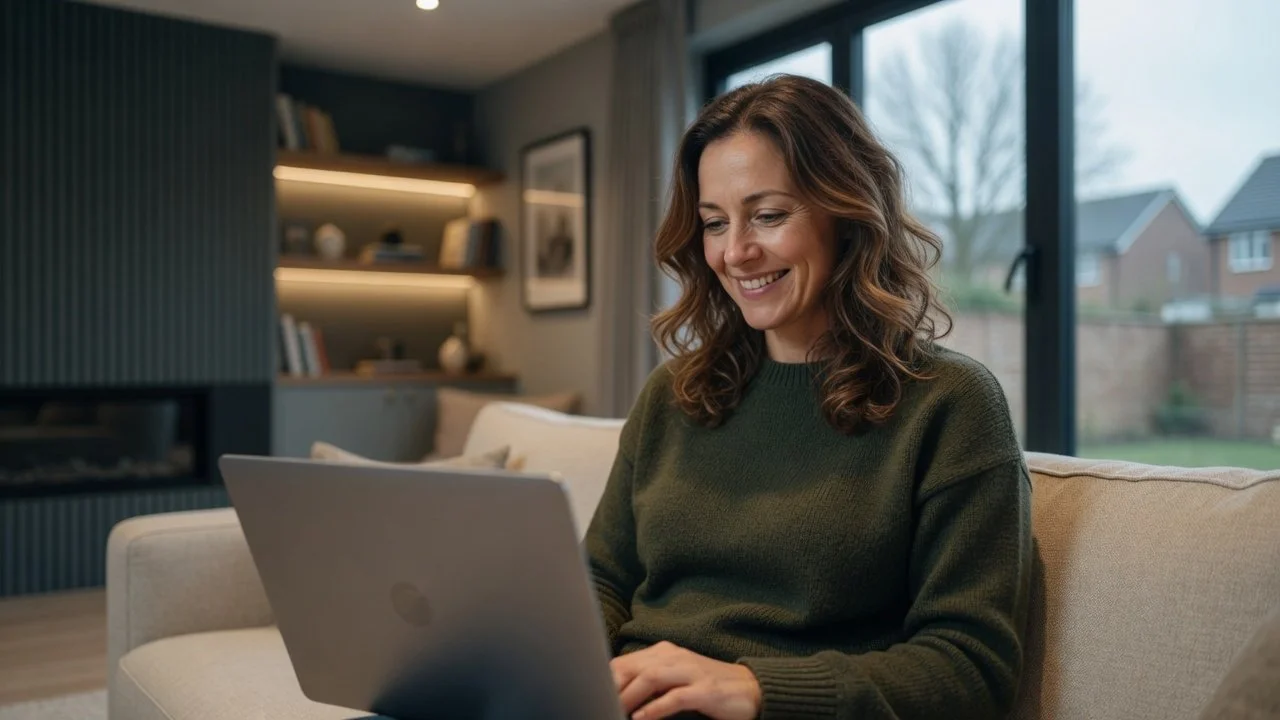
Yes. We offer sessions in person at our Fareham practice and online across the UK, and online sessions are just as effective for most people. Starting from your own home can feel safer, and you can always move to in person later.
Whenever you are ready, we are here
Start with a free 15 minute call. A relaxed, confidential conversation with an experienced therapist, a chance to be heard and to ask anything, with no cost and no obligation.
hello@oliptherapy.co.uk · Rape Crisis 24/7 line 0808 500 2222
Send us a message
Write as much or as little as you like. A real person reads every message, usually replying the same day.
Message sent, thank you
You will usually hear back the same day, by email. If you would rather not wait, call us free on 0800 970 4776.
Rather talk? Call us free on 0800 970 4776, seven days a week.