The Power of the Placebo Effect: How Mindset Shifts Can Transform Therapy Outcomes
The placebo effect is one of the most fascinating phenomena in psychology and medicine. It occurs when a person experiences real improvements in their symptoms after receiving a treatment that has no active therapeutic ingredient. In simple terms, the belief that something will work can actually make it work.
Research into the placebo effect has consistently shown that the brain plays a powerful role in healing. When individuals expect a positive outcome, the brain can trigger real physiological responses - reducing pain, lowering stress, and even improving overall wellbeing.
Why the Mind Matters in Healing
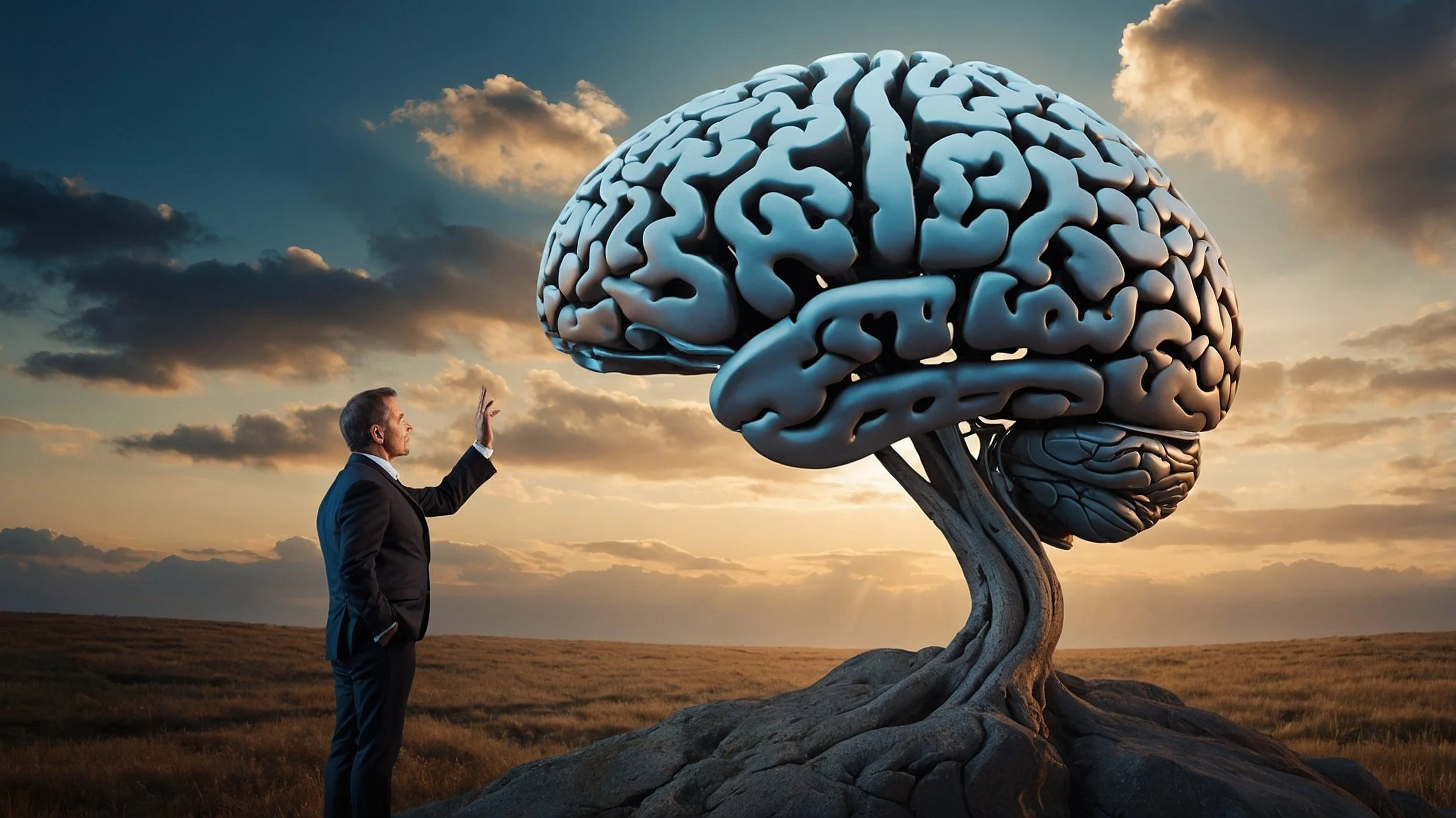
At the core of the placebo effect is the mind-body connection. Our thoughts, beliefs, and expectations directly influence how our body responds to challenges, including stress, anxiety, and physical discomfort.
This is why mindset is so important in therapy. When someone believes change is possible, they are more likely to engage in the process, adopt new behaviours, and see meaningful results.
Key psychological drivers behind the placebo effect include:
Expectation of improvement
Trust in the treatment process
Emotional readiness for change
Positive reinforcement and feedback
Applying the Placebo Principle in Therapy
Modern therapeutic approaches increasingly recognise that healing is not just about techniques, it’s about how those techniques are experienced and internalised.
Therapies that harness the power of the mind often focus on:
1. Mindset Shifts
Changing how you think about your situation can fundamentally alter your experience. Cognitive-based therapies help reframe negative thought patterns into more constructive and empowering ones.
2. Behaviour Change
Small, consistent actions reinforce new beliefs. When individuals begin to act differently, their brain starts to “believe” the change is real, creating a positive feedback loop.
3. Emotional Awareness
Understanding and processing emotions helps reduce internal resistance, making therapeutic outcomes more effective.
4. Belief Systems
Limiting beliefs can block progress, while empowering beliefs can accelerate it. Therapy often works by reshaping these internal narratives.
The Science Behind Belief and Change
Neuroscience shows that the brain is highly adaptable, a concept known as neuroplasticity. This means that repeated thoughts and behaviours can physically reshape neural pathways.
When combined with the placebo principle, this creates a powerful framework:
Belief influences perception
Perception influences behaviour
Behaviour reinforces belief
This cycle is the foundation of lasting transformation.
Beyond Placebos: Real Tools That Harness the Mind
While the placebo effect itself involves inactive treatments, many legitimate therapies intentionally leverage similar mechanisms to create real change.
Examples include:
Solution-focused therapy
These approaches don’t rely on deception - they actively engage the client’s mindset to drive results.
Why This Matters for Therapy Outcomes
Understanding the placebo effect highlights an important truth: your mindset is not just part of the process - it is the process.
When therapy aligns techniques with belief, expectation, and action, outcomes can improve significantly. Clients who feel hopeful, engaged, and empowered are more likely to experience meaningful and lasting change.
How to Use This in Your Own Journey
If you’re considering therapy or personal development, here are ways to apply the placebo principle intentionally:
Be open to the process and expect progress
Choose a therapist or approach you trust
Stay consistent with sessions and exercises
Focus on small wins to build momentum
Challenge negative beliefs that limit growth
Final Thoughts
The placebo effect is not “just in your head”, it’s a powerful demonstration of how the mind influences healing. When applied ethically and intentionally, this principle can enhance therapy, support mindset shifts, and drive meaningful behaviour change.
By understanding and embracing the connection between belief and outcome, individuals can unlock a deeper level of transformation: one that goes beyond temporary relief and creates lasting impact.
Ready to Experience the Power of Your Mind?
If you’re ready to turn insight into real change, now is the time to take the next step. At OLIP Therapy, we help you harness the power of mindset, belief, and behaviour change to create lasting results in your life. Whether you’re navigating stress, anxiety, or feeling stuck, our tailored approach is designed to meet you where you are and move you forward with clarity and confidence. We’re available 7 days a week, offering both online and in-person sessions so support is always within reach when you need it most.