

You can see something is wrong. They’re quieter, or angrier, or living in their room. You’ve suggested talking to someone and got a door closed in your face, or a “I’m fine” that clearly isn’t. Now you’re worried, and worried about pushing too hard. This is one of the most common calls we take from parents, so here is what’s usually going on and what tends to help.
Why teenagers say no
It’s rarely because they don’t want to feel better. In our experience the real reasons are:
“It means there’s something wrong with me.” For a teenager, being sent to a counsellor can feel like being labelled.
They don’t want to be talked about. The fear is that you and the therapist will discuss them, decide what’s wrong, and fix them without their say.
They don’t trust that it’s private. If they think everything they say will come back to you, they won’t say anything.
They tried before and it didn’t help. One bad experience, at school or elsewhere, puts a lot of young people off for years.
They don’t know what it is. “Counselling” sounds like sitting in a room being asked how you feel. Which, to a 15-year-old, is roughly the worst thing imaginable.
It’s your idea. Anything a parent suggests is automatically suspicious. That’s not personal; it’s adolescence working as designed.
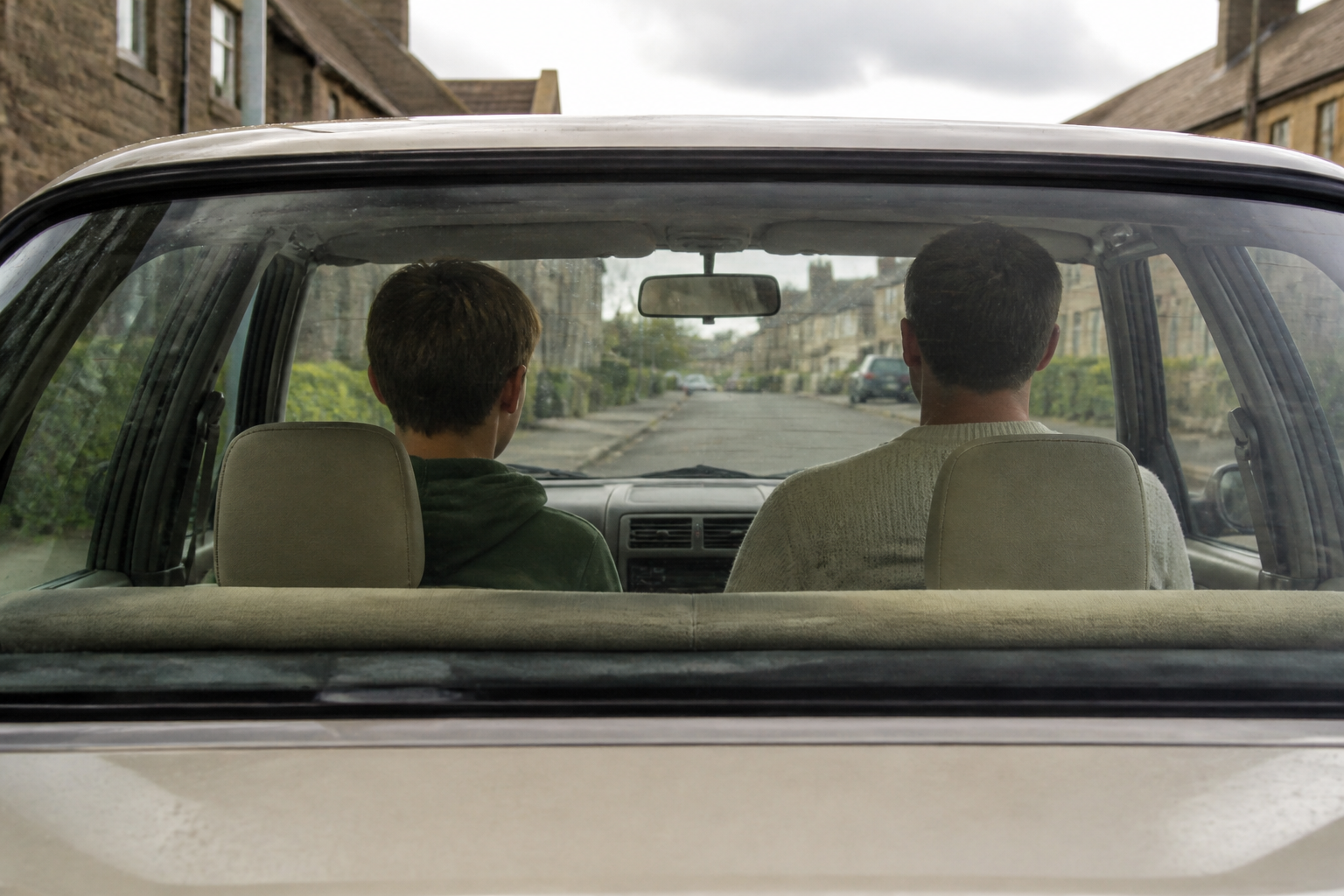
How to raise it without a fight
Don’t make it a big announcement. A passing mention in the car or while cooking works better than a sit-down conversation. Side by side is easier than face to face.
Name what you’ve noticed, not what you’ve diagnosed. “You’ve seemed really fed up lately and I hate seeing that” lands better than “I think you’re depressed and need help”.
Make it about having someone who isn’t you. Most teenagers will accept that there are things they’d rather not say to a parent. A therapist is someone who is on their side and isn’t part of the family.
Explain the privacy properly. Tell them that what they say to the therapist stays with the therapist, unless they’re at risk of serious harm. That one sentence changes a lot of minds.
Offer a small first step. “Would you be willing to have one session and see what you think?” is easier to say yes to than “you’re starting counselling”. A free 15-minute call where they can hear the therapist’s voice first is even smaller.
Give them some choice. Male or female therapist, in person or online, what day. Having a say in it makes it theirs.
Then step back. Say it once, leave the offer open, and don’t repeat it daily. Many teens come round in their own time if they’re not being pushed.
What if they still won’t go?
You have more options than you might think.
Come in yourself. Parents often find a session or two of their own useful: how to respond to what’s happening at home, how to keep the door open, how to cope with the worry. Changing how you react can change the atmosphere, which sometimes brings the teenager in behind you.
Let them know the offer stands. “Whenever you want, it’s there, and you don’t have to explain why” is powerful precisely because it isn’t pressure.
Keep school in the loop. They may already have noticed, and a pastoral lead can sometimes raise it in a way that doesn’t come from you.
Watch for the signs that need more than waiting. If they’re talking about not wanting to be here, hurting themselves, not eating, or something has happened to them, don’t wait for them to agree to counselling. Speak to your GP, and if it feels urgent, call NHS 111 and choose the mental health option.
How we work with teenagers who aren’t sure
Our therapists work with young people from age 7 and with teenagers, and a lot of them arrive reluctant. That’s expected, and it’s not held against them.
The first session is about the young person getting a feel for the therapist, not the other way round. No forms about feelings, no interrogation.
We talk to you first as the parent, and we’re clear with the teenager about what you’ve told us and what we’ll keep between us.
We match the approach to the person. Some teenagers like the structure of CBT. Some want to talk. Some find hypnotherapy or relaxation easier because there’s less eye contact and less pressure to perform.
If after a session they don’t want to continue, that’s their call. We’d rather they leave with a good impression of therapy than be made to stay.
Sessions are in person at our Fareham practice or online, with after-school and evening and weekend times. Counselling is £72 for 50 minutes, CBT and hypnotherapy £90. For under 16s a parent or guardian books and attends the premises.
The first step is a free, confidential 15-minute call with you. Tell us what you’re seeing and we’ll suggest who on the team would suit your teenager and how to open the door.
Book your free 15-minute call or ring us free on 0800 970 4776.
Frequently asked questions
Can I force my teenager to go to counselling?
You can get them to the room, but you can’t make counselling work without their agreement. It’s far better to get a reluctant yes to one session than a resentful attendance at six.
Will the therapist tell me what my teenager says?
No, apart from anything that suggests they or someone else is at serious risk. We explain this to both of you at the start, because the privacy is what makes it work.
What age can a young person come on their own?
For under 16s a parent or guardian books and attends the premises. Older teenagers can book with your agreement and often come in alone once they’re settled.
Should I come to the first session with them?
Usually you’ll have a short conversation with the therapist first, then the session is theirs. Some younger teens want a parent in the room for the first few minutes, and that’s fine.
What if they refuse but I’m really worried?
Come and talk to us yourself, speak to your GP, and keep school informed. If there’s any suggestion of risk, don’t wait.