How to Choose a Qualified Therapist for Anxiety Treatment in the UK: Your Complete Guide
Anxiety affects millions across the UK, from generalised anxiety and panic attacks to social anxiety and phobias. It can disrupt work, relationships, and everyday life. Finding the right qualified therapist is a crucial step towards effective, lasting relief. But with NHS waiting lists, private options, and many approaches available - including hypnotherapy for anxiety - how do you choose someone who is properly trained and a good fit?
This UK-focused guide covers qualifications, where to look (NHS and private), key questions to ask, and practical tips, with a dedicated look at hypnotherapy as a potential option.
Why the Right Therapist Makes All the Difference for Anxiety
A skilled therapist can equip you with proven tools. NICE guidelines often recommend CBT as a first-line treatment, but other approaches, including solution-focused counselling or hypnotherapy, may suit certain individuals. The right match helps you feel understood, build coping strategies, and address root causes.
Step 1: Understand UK Therapist Qualifications and Registrations
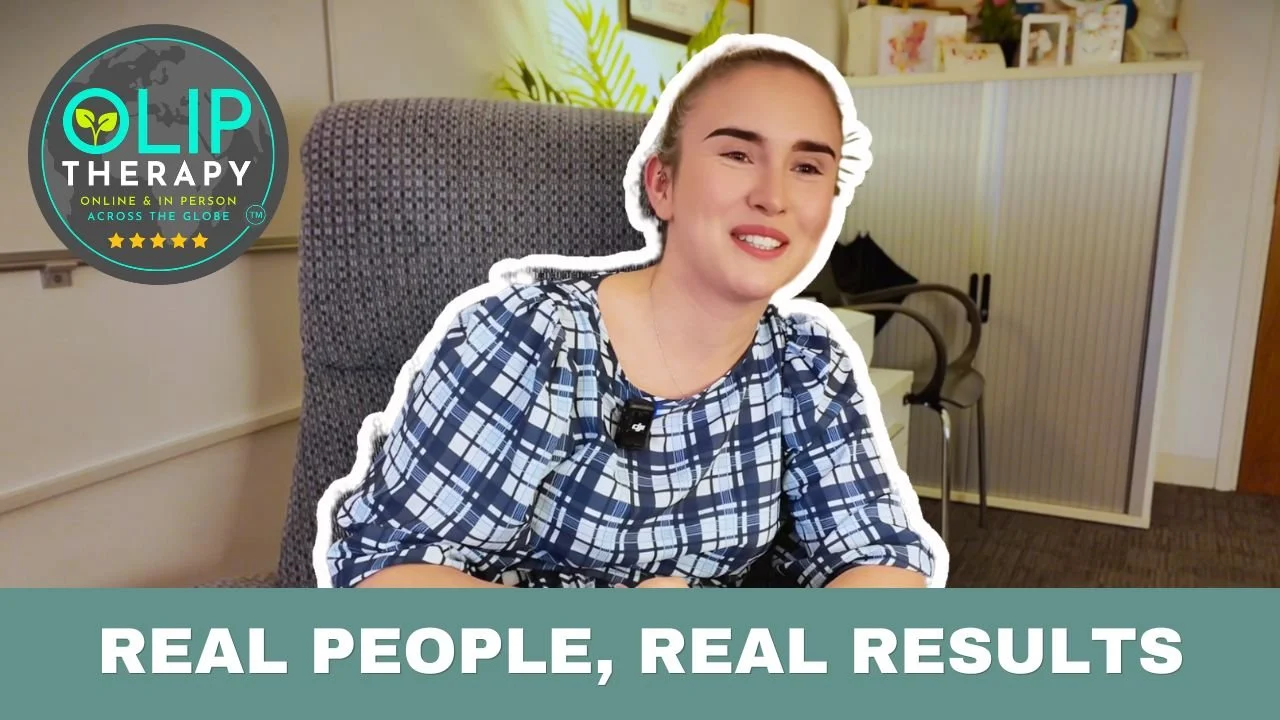
Discover how OLIP Therapy helped Charlotte in her struggle with anxiety.
In the UK, titles like “counsellor” or “therapist” are not legally protected (except for certain psychologist titles), so professional registration is essential.
Key Bodies to Look For:
- BACP (British Association for Counselling and Psychotherapy)
- UKCP (UK Council for Psychotherapy)
- BABCP (British Association for Behavioural and Cognitive Psychotherapies) — ideal for CBT
- HCPC (Health and Care Professions Council) — mandatory for psychologists
For hypnotherapy, look for membership in reputable bodies such as the National Council for Hypnotherapy (NCH), British Society of Clinical Hypnosis (BSCH), or Complementary and Natural Healthcare Council (CNHC). Ensure the hypnotherapist also has broader mental health training or works alongside other approaches for anxiety.
Step 2: NHS vs Private Options in the UK
NHS Talking Therapies: Free, self-referral possible. Focuses on evidence-based therapies like CBT, with potential waits.
Private Therapy: Quicker access and wider choice, including hypnotherapy and combined modality approaches. Many therapists offer flexible formats.
Step 3: Consider Different Approaches, Including Hypnotherapy for Anxiety
When choosing a therapist, evaluate their specialisms. Common effective options include CBT, exposure therapy, and mindfulness.
Hypnotherapy for Anxiety is a popular complementary approach that many people find helpful. It uses guided relaxation and focused attention (trance-like states) to:
- Reduce physical symptoms of anxiety
- Reframe negative thought patterns
- Build confidence and relaxation responses
- Address subconscious contributors to worry or phobias
Many UK hypnotherapists combine it with CBT or other techniques for better results. It can be particularly appealing for those who prefer a more relaxing, less talk-heavy method. Look for practitioners who are transparent about its evidence base (strong for some anxiety symptoms, often used alongside other therapies) and who hold relevant accreditations.
Tip: Discuss with the therapist whether hypnotherapy is suitable as a standalone treatment or best integrated with other methods for your specific anxiety type.
Step 4: How to Find Qualified Therapists Locally in the UK
1. Directories:
- BACP, UKCP, BABCP registers
- NCH or CNHC for hypnotherapy specialists
- Psychology Today (UK)
2. NHS Pathways and local searches like “[your city] anxiety hypnotherapy” or “CBT therapist near me”.
3. Recommendations from GPs, Anxiety UK, or personal networks.
Online sessions are widely available and effective for anxiety treatment.
Step 5: Essential Questions to Ask a Potential Therapist
Key questions (adapt for hypnotherapy too):
- What are your professional registrations (BACP/UKCP/BABCP/HCPC or NCH for hypnotherapy)?
- What experience do you have treating anxiety, and how does your approach (e.g., CBT or hypnotherapy) work?
- Can you explain how hypnotherapy might help with my symptoms?
- What does a typical session involve, and how many might I need?
- How do you measure progress?
- What are your fees, availability, and cancellation policy?
You should feel comfortable and informed after the conversation.
Step 6: Red Flags
- Lack of proper registration/accreditation.
- Overpromising results from any single approach, including hypnotherapy.
- No experience with anxiety or reluctance to discuss methods.
Step 7: Taking Action and Next Steps
- Start with NHS Talking Therapies for free support.
- For hypnotherapy or faster private care, use specialist directories.
- It’s okay to trial 1–2 sessions before committing.
Therapy is highly individual - whether CBT, hypnotherapy, or another modality, the therapeutic relationship is key.
Local Tip: Search with your city (e.g., “hypnotherapy for anxiety London” or “BACP counsellor Manchester anxiety”) for tailored results.
Ready to Find Support?
Explore BACP, BABCP, or NCH registers today. Hypnotherapy could be a valuable part of your journey if it resonates with you.
Ready to Take the Next Step?
If you're looking for a qualified, compassionate therapist to help you overcome anxiety - whether through CBT, counselling, hypnotherapy, or a tailored combination of approaches - OLIP is here to support you. Every member of our experienced team holds relevant UK accreditations and specialises in evidence-based anxiety treatment in a warm, non-judgemental environment.
Whether you prefer in-person sessions, online therapy, or want to explore how hypnotherapy could help you relax and reframe anxious patterns, we offer flexible appointments and a free initial consultation to ensure the right fit.
Contact OLIP today to book your consultation and start your journey towards calmer, more confident living: we’re here to help you feel better, sooner.
This article is for information only and does not replace professional advice. Always verify credentials.