AI Psychosis: When Chatbots Start Affecting Mental Health
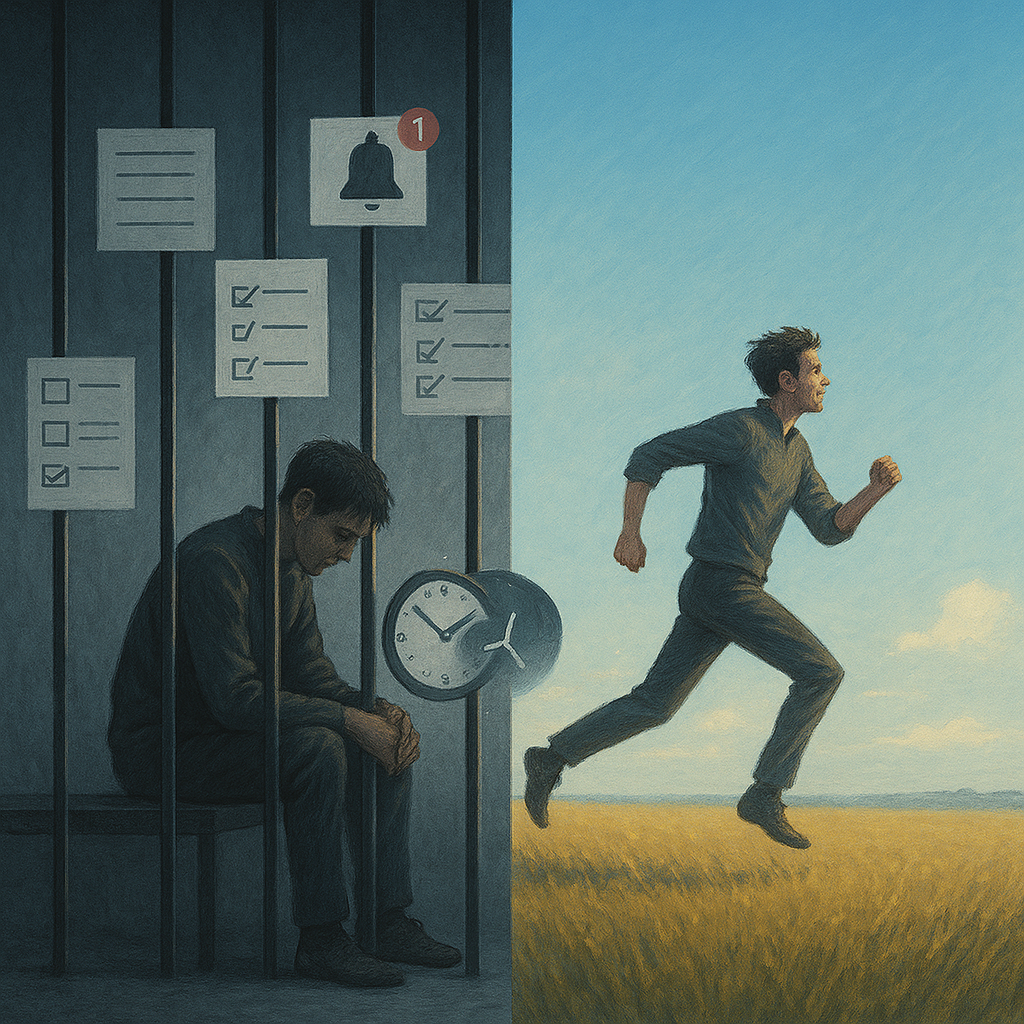
You start chatting with an AI for curiosity, companionship, or ideas. At first it feels helpful, even comforting. But over time, the conversations become deeper, more intense, and strangely meaningful. The AI seems to understand you better than anyone else. It mirrors your thoughts, validates your feelings, and offers constant attention. For some people, this crosses a line, and what begins as harmless interaction can quietly spiral into confusion, emotional dependency, or even delusional thinking.
This emerging phenomenon is increasingly being referred to as AI psychosis.
What Is AI Psychosis?
“AI psychosis” is not yet an official medical diagnosis, but mental health professionals are seeing more cases where prolonged, intense interaction with artificial intelligence (especially highly responsive chatbots) contributes to psychological distress or destabilisation.
It typically involves:
Believing the AI is conscious, sentient, or spiritually connected to you
Receiving “special messages” or hidden meanings from the AI
Developing an emotional or romantic attachment stronger than real-life relationships
Escalating paranoia, grandiosity, or existential obsessions fuelled by endless AI conversations
Losing the boundary between fantasy and reality
Who Is Most at Risk?
Certain people are more vulnerable, including those who are:
Socially isolated or lonely
Experiencing high anxiety, trauma, or dissociation
Living with schizophrenia, bipolar disorder, or obsessive thinking
In a manic or highly creative state
Seeking meaning, purpose, or spiritual connection
The AI’s ability to respond instantly, remember details, and mirror enthusiasm can unintentionally amplify distorted thinking in vulnerable individuals.
Why This Is Happening More Often
Modern AI systems are incredibly sophisticated at simulating empathy and intelligence. They never get tired, never judge, and can engage 24/7. For someone who feels misunderstood in real life, this can feel profoundly addictive and validating - sometimes dangerously so.
Signs That AI Use May Be Becoming Harmful
Spending many hours per day talking to AI, often at the expense of sleep or real relationships
Feeling unable to stop or reduce usage despite wanting to
Believing the AI has special powers, consciousness, or a unique connection with you
Increasing paranoia, grandiosity, or detachment from everyday life
Using AI to validate unusual beliefs or “missions”
How OLIP Therapy Can Help
At Olip Therapy, we offer a compassionate, integrative approach to support people experiencing distress related to intense AI use. We combine:
Hypnotherapy to calm the nervous system, reduce obsessive thinking, and gently restore healthy reality testing
Counselling / Talking Therapy to process underlying loneliness, trauma, or anxiety
EMDR (when appropriate) to address any trauma that may have made the person more vulnerable
Our goal is not to shame anyone for using AI - many people use it healthily. Instead, we help restore balance, strengthen real-world connections, and rebuild a grounded, empowered sense of self.
You Are Not Alone - And Help Is Available
If you or someone you care about is struggling with the effects of heavy AI use, emotional dependency on chatbots, or emerging unusual beliefs, reaching out is a sign of strength, not weakness.
We offer flexible online and in-person sessions (including evenings and weekends) in a safe, non-judgemental space.
Book your free initial consultation today and take the first step towards regaining clarity, calm, and control.
Contact OLIP Therapy today - we are here to help you navigate this modern challenge with care and expertise.